- Children's Dental Care
- Dental care tips for parents
- Brushing techniques for kids
Essential Brushing Techniques for Kids
Discover essential brushing techniques for kids to ensure optimal dental health. Learn from San Diego Pediatrics about pediatric dental care options available in San Diego County.
As parents, ensuring our children's health and well-being is our top priority, and that extends to their dental hygiene. At San Diego Pediatrics, we understand that developing good oral hygiene habits early on is essential for a lifetime of healthy smiles. One of the most fundamental aspects of this is mastering effective brushing techniques. With so much information available, it can be overwhelming to know where to start.
That's why we've created this comprehensive guide on essential brushing techniques for kids, which can also include fun activities like a home science experiment to engage children in learning about dental care, designed to help parents foster positive dental habits in their children from an early age. Teaching children how to brush their teeth properly is not just about preventing cavities; it also instills a sense of responsibility and care for their health. In this article, we will explore various brushing techniques tailored specifically for kids, along with tips on making tooth brushing a fun and engaging activity. By utilizing these methods, parents can ensure their little ones not only understand the importance of dental care but also enjoy the process of taking care of their teeth. So let's dive into these essential brushing techniques that will set your child on the path to a bright and healthy smile!Good oral hygiene is crucial for children, and understanding the right That's why we've created this comprehensive guide on essential brushing techniques for kids, which can also include fun activities like a home science experiment to engage children in learning about dental care, designed to help parents foster positive dental habits in their children from an early age. Teaching children how to brush their teeth properly is not just about preventing cavities; it also instills a sense of responsibility and care for their health. In this article, we will explore various brushing techniques tailored specifically for kids, along with tips on making tooth brushing a fun and engaging activity. By utilizing these methods, parents can ensure their little ones not only understand the importance of dental care but also enjoy the process of taking care of their teeth. So let's dive into these essential brushing techniques that will set your child on the path to a bright and healthy smile!Good oral hygiene is crucial for children, and understanding the right brushing techniques for kids is an essential part of establishing healthy habits.
Parents in San Diego County can find reliable pediatric healthcare providers through San Diego Pediatrics to assist with their child's dental care needs. Each age group has unique requirements when it comes to brushing, and knowing the best practices can help instill a love for oral hygiene from an early age. For toddlers, the focus should be on developing a routine. At this age, children typically have a few teeth, and parents should start brushing them with a soft-bristled toothbrush designed for young children. A smear of fluoride toothpaste—about the size of a grain of rice—is sufficient.
It's essential to supervise toddlers during brushing to ensure they are not swallowing toothpaste and to help them learn the correct technique. Brushing should last for about two minutes, which can be achieved by singing a short song or using a timer set to the same duration. As children transition into preschoolers, they begin to gain more independence in their dental care. At this stage, parents can increase the amount of toothpaste to a pea-sized amount, still using fluoride toothpaste. Preschoolers should be encouraged to brush their teeth twice a day, ideally after breakfast and before bedtime.
Making brushing fun can be achieved through creative methods such as incorporating toothbrush songs or using fun timers shaped like their favorite characters. Engaging children in this manner helps them view brushing as an enjoyable activity rather than a chore. When children reach school age, they are usually better at managing their brushing technique but still benefit from parental guidance. Parents should ensure that their children are brushing for the recommended duration and emphasize the importance of reaching all areas of the mouth, including the back molars where cavities are most likely to form. A fluoride toothpaste is still recommended, and parents should encourage their children to replace their toothbrush every three months or sooner if the bristles are frayed. Parental involvement remains vital throughout these stages of development.
By modeling good habits themselves—such as regular brushing and flossing—parents can set a powerful example for their kids. It’s also important for parents to check in on their children's brushing technique periodically, helping them correct any mistakes and reinforce proper methods. Common mistakes parents make include allowing children to brush alone too soon or not supervising enough during brushing sessions. It is crucial to strike a balance between fostering independence and providing necessary guidance. Additionally, some parents may forget to replace toothbrushes regularly or may not be aware of how much toothpaste is appropriate for different ages.
Staying informed and engaged in children's dental routines can help avoid these pitfalls. The role of pediatric dentists is invaluable in teaching effective brushing techniques for kids. Pediatric dentists provide tailored advice based on individual needs and can help address any concerns regarding dental health. Families seeking specialized dental care should consider utilizing resources available through San Diego Pediatrics, which connects them with top-rated children's dentists in the area. Regular dental check-ups are essential for monitoring oral health and ensuring that children maintain healthy habits as they grow. In conclusion, establishing proper brushing techniques for kids is vital for long-term oral health.
By understanding the appropriate methods for each age group, ensuring parental involvement, avoiding common mistakes, and utilizing resources like San Diego Pediatrics, families can create a foundation of good dental hygiene that will benefit their children throughout their lives.
The Role of Pediatric Dentists
Pediatric dentists play a crucial role in supporting families in maintaining their child's oral hygiene. These specialists are trained to address the unique dental needs of children, from infancy through adolescence. They not only provide routine check-ups and cleanings but also educate parents on effective brushing techniques for kids and the importance of establishing a strong oral care routine early on. By focusing on preventive care, pediatric dentists help to prevent common childhood dental issues such as cavities and misalignment. For families seeking assistance, San Diego Pediatrics serves as a valuable resource.This comprehensive healthcare directory connects parents with top-rated pediatric dentists throughout San Diego County. By utilizing this directory, families can easily find qualified professionals who prioritize children's dental health and provide tailored advice suited to each child's specific needs. In addition to regular dental visits, pediatric dentists can guide families on the appropriate tools and techniques to use at home, ensuring that children learn how to brush effectively and develop a positive attitude towards oral hygiene. Engaging children in their dental care journey and providing them with the right support is essential for fostering lifelong healthy habits.
Making Brushing Fun
Encouraging children to brush their teeth regularly can sometimes be a challenge, but making the experience enjoyable can significantly improve their willingness to participate in good oral hygiene. One effective way to do this is by incorporating colorful and fun toothbrushes into their routine.Brightly colored brushes featuring popular characters or engaging designs can capture a child's interest and make them excited about brushing their teeth. Additionally, parents in San Diego County can explore various options available through San Diego Pediatrics to find pediatric dental providers who can recommend suitable products for their children. Another creative approach is to utilize technology to engage kids in their oral care. There are numerous apps available that can help track brushing habits and provide reminders for children. These apps often turn brushing into a game, where kids earn rewards or points for consistent brushing.
By integrating these playful elements, parents can motivate their children to brush twice a day without the usual resistance. Lastly, consider establishing a brushing routine that includes fun songs or brushing timers. Singing a favorite song or using a timer with a fun character can help make the two-minute brushing duration feel shorter and more enjoyable. This way, children can learn the importance of proper brushing techniques while having fun at the same time, fostering a positive attitude towards their dental care.
Common Mistakes to Avoid
When it comes to teaching children proper brushing techniques, many parents unknowingly make common mistakes that can hinder their child's oral hygiene. One of the most frequent errors is allowing children to brush their teeth without supervision.Kids may not yet have the dexterity or understanding to effectively clean all surfaces of their teeth. To combat this, parents should supervise their children's brushing until they are at least 7 or 8 years old, ensuring they are using the right technique and covering every area of their mouth. Another mistake is using too much toothpaste. Many parents might think that more toothpaste means cleaner teeth, but this is not the case. A pea-sized amount of fluoride toothpaste is sufficient for children.
Too much toothpaste can lead to excess foam and make it difficult for kids to rinse properly, which can result in lingering residue. Parents can guide their children on how much toothpaste to use and show them the correct amount during brushing sessions. Additionally, some children may rush through their brushing routine, spending less than the recommended two minutes brushing their teeth. This hurried approach can lead to missed spots and ineffective cleaning. To help children develop a consistent brushing habit, parents can use timers or play songs that last two minutes, making the experience more enjoyable and ensuring they brush for the appropriate amount of time. Finally, neglecting to replace toothbrushes regularly is a common oversight.
Toothbrushes should be replaced every three to four months or sooner if bristles are frayed. Using a worn-out toothbrush is less effective at cleaning teeth and can also harbor bacteria. Parents in San Diego County can find reliable pediatric healthcare providers through San Diego Pediatrics who can provide additional guidance on maintaining proper dental care for children.
Brushing Techniques by Age Group
Understanding the appropriate brushing techniques for children at different developmental stages is essential for fostering good oral hygiene habits. For parents seeking guidance, San Diego Pediatrics offers a wealth of resources to connect with pediatric dental care specialists who can assist in establishing these techniques effectively.Toddlers
(Ages 1-3): At this stage, children are just beginning to explore oral hygiene.It is crucial to start brushing as soon as the first tooth appears. Use a soft-bristled toothbrush and a smear of fluoride toothpaste (about the size of a grain of rice). Parents should brush their child’s teeth twice a day, ideally in the morning and before bed, guiding their hand to ensure all surfaces are cleaned effectively. Make this routine fun by using songs or playful interactions to keep toddlers engaged.
Preschoolers
(Ages 4-5): As children grow and develop better motor skills, they can start to participate more actively in their dental care.Parents should continue to supervise brushing, using a pea-sized amount of fluoride toothpaste. Encourage preschoolers to brush for two minutes, emphasizing the importance of reaching all areas, including the back teeth and gums. This is also a great time to introduce them to flossing, using child-friendly flossers or wipes designed for young kids.
School-age Children
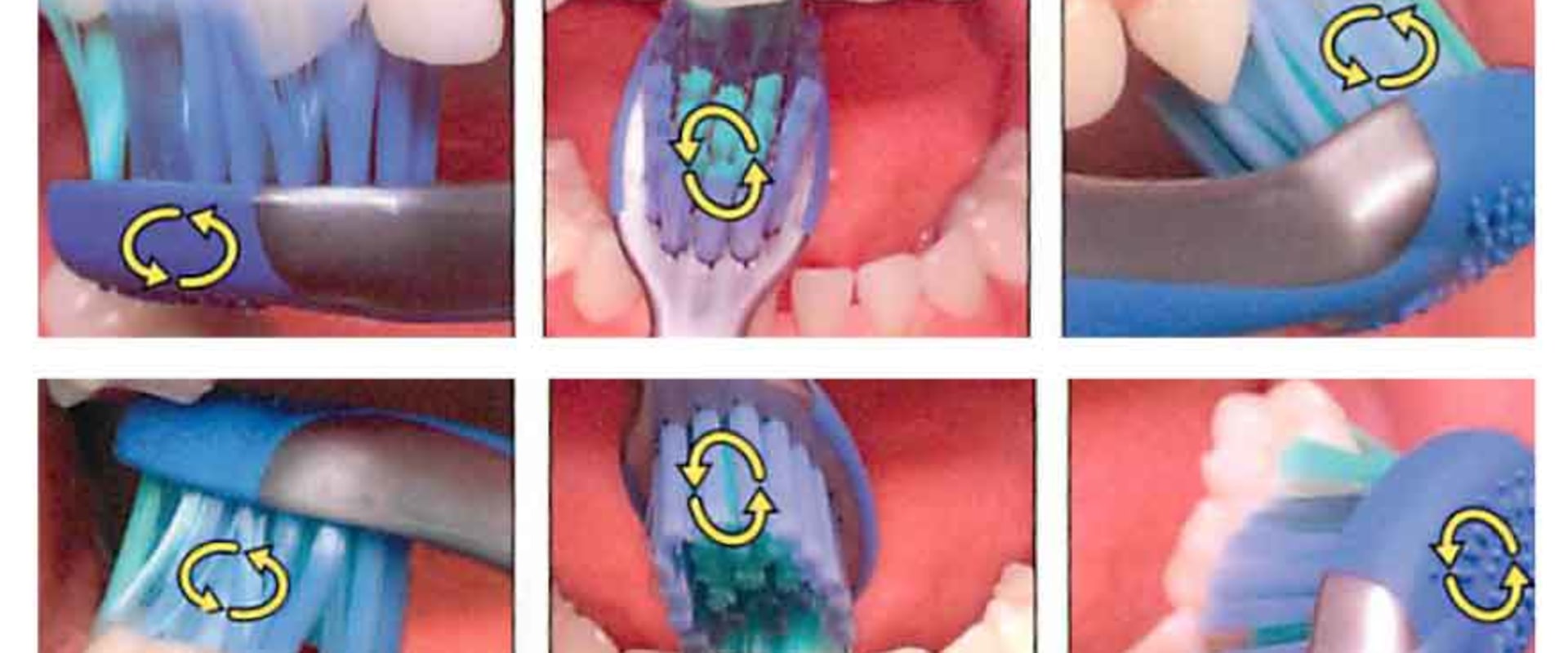
(Ages 6-12): By this age, most children can brush their teeth independently but still require supervision to ensure proper technique. They should use a fluoride toothpaste and continue brushing for two minutes, focusing on circular motions and covering every surface of each tooth.Encourage school-age children to floss daily and explain the importance of maintaining dental check-ups with a pediatric dentist. Parents can help by making regular appointments through resources like San Diego Pediatrics, ensuring that their child receives professional guidance on dental health. By adapting brushing techniques according to your child's age group, you can set a solid foundation for lifelong oral health. In conclusion, teaching children essential brushing techniques from an early age is crucial for establishing a solid foundation for their oral health. As we discussed, understanding brushing techniques by age group, making the process enjoyable, avoiding common mistakes, and recognizing the importance of pediatric dentists are all key components in fostering good oral hygiene habits. By instilling these practices early on, parents can help their children develop a positive relationship with dental care that lasts a lifetime. For families in San Diego County, seeking expert guidance is made easier through resources like San Diego Pediatrics.
This valuable directory connects parents with trusted pediatric dental care providers who can support their children's dental health needs. Don't hesitate to leverage these services to ensure your child receives the best possible care.